
Abstract
This study examines the impact of stress on individuals and explores potential strategies for managing stress. A survey method was employed in this study to determine the levels of stress and the mechanisms people use to cope with it. The research findings showed that a large number of people are affected by stress, and they suffer from a severe influence on their health.
It has been demonstrated that coping strategies, including problem-solving and seeking social support, as well as perceived social support, play a key role in stress management. The findings have various practical implications, including the need to raise awareness and education about stress, personalize stress management methods to individual requirements and preferences, and build social support networks to reduce stress. While the study has limitations, future research can address these constraints and further examine beneficial stress management approaches. Overall, effective stress management practices can help individuals lead healthier and happier lives.
Introduction
Stress is a standard part of everyday life in today’s culture and can have a variety of effects on individuals. Unpleasant or risky situations, such as financial difficulties, marital problems, hard work, and health concerns, commonly induce stress. When people are stressed, their bodies release cortisol, adrenaline, and norepinephrine (also known as noradrenaline) chemicals. These hormones activate the “fight or flight” response, which prepares the body to respond to a perceived threat. However, the effects of chronic stress on mental and physical health are not always favorable. Chronic stress has been linked to only two mental health issues: anxiety and depression (Scheiner et al., 2023).
Long-term stress can cause people to feel tired, irritated, and have difficulty concentrating. Chronic stress raises the risk of diabetes, obesity, and cardiovascular disease, all of which can be harmful to one’s physical health. According to research, stress raises the risk of cancer by impairing the immune system’s capacity to combat cancer cells. Given the harmful impacts of prolonged stress, it is critical to establish effective stress management practices.
Exercise is a proven method for reducing stress. Regular exercise has been shown to lower stress levels by releasing endorphins, natural mood enhancers. Additionally, exercise can enhance sleep quality, helping people manage stress more effectively.
Mindfulness meditation is an additional method for reducing stress. Mindfulness meditation focuses on the present moment, allowing one to observe their thoughts and feelings with greater objectivity. According to research, mindfulness meditation can help lower stress levels and improve overall well-being (Aker et al., 2023).
Social support can also be a proper stress-reduction technique. One must turn to friends, family, or mental health experts to obtain social assistance. Individuals with social support can feel more connected to the world and manage stress more effectively. Finally, stress can be better managed through effective time management and relaxation strategies, such as progressive muscle relaxation and deep breathing. While relaxation techniques involve relaxation exercises to quiet the mind and body, time management strategies focus on prioritizing tasks and setting realistic goals.
Research Question
What are the impacts of stress on people, and what stress management practices might be used to lessen those effects?
Aims and Objectives
The purpose of this research is to investigate the impact of stress on individuals and to develop effective strategies for managing stress. To achieve this goal, the following objectives will be pursued: First, the stress levels of the sample members will be assessed. The goal is to determine the prevalence and severity of stress among participants, providing a baseline for future research on the impact of stress on individuals.
The second purpose is to investigate people’s stress-coping techniques. The objective is to identify the most frequently used coping techniques and assess their effectiveness in reducing stress levels. Thirdly, to investigate how perceived social support affects stress management. Through this objective, we aim to gain a deeper understanding of how social support influences stress levels and how it can be utilized to mitigate stress.
Lastly, to create suggestions for stress management strategies in light of the study’s findings. This goal aims to translate the research findings into actionable recommendations for developing effective stress management therapies. By pursuing these goals, the study aims to expand knowledge about how stress affects individuals and provide guidance for developing effective stress management techniques. The study’s findings could impact employers, healthcare providers, and individuals seeking to manage their stress levels.
Theoretical Background
Complex biological, psychological, and environmental elements can all impact stress. According to the transactional model of stress, a person’s perspective and assessment of the circumstances also influence how stressed they get. This concept posits that a person’s coping mechanisms, personality traits, and life experiences collectively influence the level of stress they experience. The general adaptation syndrome theory also suggests that the three stages of the stress reaction are alarm, resistance, and weariness.
Coping mechanisms, personality traits, and past experiences are psychological variables that may influence stress levels. Coping mechanisms are the mental and behavioral techniques that people use to manage stress. Stress levels can be decreased through effective coping mechanisms, while stress levels can be increased through ineffective coping mechanisms.
Personality factors like neuroticism and extraversion can also influence stress levels. People with high neuroticism levels are more prone to react to stressors with unpleasant feelings like worry and depression (Pascoe et al., 2020). Contrarily, people with high extraversion tend to seek social support more readily in reaction to stressors, which can lower stress levels. Additionally, past events might alter how seriously a person takes a current stressor, impacting stress levels. In response to new stressors, those who have already encountered traumatic events may be more susceptible to stress and more prone to develop post-traumatic stress disorder (PTSD).
Social support, socioeconomic status, and cultural influences are environmental factors that may influence stress levels. The assistance and resources people receive from others, such as friends, family members, and coworkers, are social support. By offering people guidance, practical assistance, and emotional support, social support can lower stress levels.
Additionally, socioeconomic position influences access to essential resources, including healthcare, education, and employment opportunities, which can impact stress levels. Chronic stress is more common in people with lower socioeconomic levels, and it can harm physical and mental health (Nair, 2023). Ultimately, cultural influences can alter stress levels by altering how people perceive and assess stressors. In contrast to individualistic cultures, such as those in the United States, research has revealed that collectivistic societies, like Japan, tend to perceive pressures as more manageable and less threatening.
The body enters the resistance stage, where it makes an effort to adjust to the stressor if the stressor persists. To sustain energy levels and cope with stressors during the resistance stage, the body may release more cortisol (Varma et al., 2021). The body enters the fatigue stage, where it is unable to cope with the stressor if it persists for an extended period of time. The body may encounter issues with its physical and emotional well-being during exhaustion, including fatigue, depression, and immune system dysfunction.
Effective stress management techniques enable individuals to more effectively manage their stress levels and mitigate the negative impact of stress on their health. One effective strategy for lowering stress is mindfulness meditation, which involves focusing on the present moment without making judgments (Murphy et al., 2023). Regular mindfulness meditation has been shown to enhance mental health outcomes, including a reduction in anxiety and depressive symptoms and stress reduction. Exercise is another method for reducing stress. Regular exercise can improve both physical and mental health by lowering cortisol levels. Exercise can also increase the production of endorphins, which are natural chemicals that can improve mood and reduce pain.
Social support is a crucial stress management strategy. Individuals with strong social support networks are better equipped to manage stress and enhance their mental well-being. You can create and maintain social bonds by joining clubs or groups, attending social gatherings, or engaging in community service.
CBT is a form of psychotherapy that has been proven to be an effective strategy for stress management. CBT involves recognizing and changing negative thinking patterns and behaviors that contribute to increased stress. CBT can help people create effective coping strategies and problem-solving skills. Stress is a complex phenomenon that can be influenced by various factors, including biological, psychological, and environmental elements (Meraz et al., 2023).
The universal adaptation syndrome hypothesis and the transactional model of stress make it feasible to comprehend the causes and consequences of stress. Individuals who can effectively manage their stress can enhance their overall health and well-being. These techniques include cognitive behavioral therapy, exercise, social support, and mindfulness meditation.
Methodology
Since stress is a universally prevalent and pervasive condition, it affects everyone, regardless of age, gender, or socioeconomic situation. The effects of stress on a person’s physical and mental health are widely documented. As a result, there is a growing need for effective stress management techniques that can help individuals cope with the demands of daily life.
A quantitative methodology was employed in this study to assess the impact of stress on individuals and various stress management techniques. The participants in this study ranged in age from 18 to 65 and represented a diverse range of institutions, including community centers, corporations, and colleges. The sample for this study consisted of 93 individuals in total. The participants were selected using a convenience sampling technique, and they were asked to complete a self-report questionnaire to assess their level of stress, coping mechanisms, and perception of social support.
The questionnaire used in this study was constructed using a modified version of the Perceived Stress Scale (PSS), the Coping Strategies Inventory (CSI), and the Multidimensional Scale of Perceived Social Support (MSPSS). A popular survey that measures how stressful people perceive their lives to be is called the Perceived Stress Scale (PSS). Two tests that look at several facets of people’s reactions to stress are the Multidimensional Self-Perceived Social Support Scale (MSPSS) and the Coping Strategies Inventory (CSI).
The method employed to investigate the connection between various stressors, coping mechanisms, and perceived social support among the participants was correlation analysis. The analysis was used to determine the relationship between the stress people experience and the coping strategies they use to recover from its effects. The use of correlation analysis can shed important light on the connections between various variables and identify areas that may warrant further study. But it is crucial to keep in mind that a connection does not necessarily indicate a cause. Correlation analysis can identify trends or connections between variables, but it cannot determine whether one variable is the root cause of another. Therefore, more investigation may be required to establish the causal links between the variables.
Avoidance coping was the least often employed coping approach, whereas problem-focused and emotion-focused coping techniques were both used frequently. Lower levels of stress were linked to higher levels of perceived social support, and the degree of perceived social support was found to be a significant predictor of stress (Liu et al., 2021). The study also examined other stress-reduction techniques, and the results showed that cognitive behavioral therapy (CBT) was the most effective, followed by mindfulness-based stress reduction (MBSR) and relaxation techniques.
To summarize, this research sheds light on the effects of stress on individuals and explores various methods for alleviating the adverse effects of stress. The findings of this study reveal that levels of stress are impacted by demographic factors such as gender and age and that coping methods and perceived social support play an essential part in playing a substantial role in managing stress. The study also demonstrates the usefulness of cognitive behavioral therapy (CBT), mindfulness-based stress reduction (MBSR), and relaxation techniques for managing stress (Liu et al., 2021). The findings of this study have significant implications for the design of stress management programs tailored to meet the needs of diverse demographic subgroups and incorporating evidence-based strategies for managing stress.
Results
Many people experience the feeling of stress, which is known to affect both their physical and mental health negatively. To learn more about the elements that affect stress levels and the methods in which people cope with stress, research was conducted with a sample of participants. According to the study’s findings, sixty percent of those who participated in the poll reported that their levels of stress ranged from moderate to high.
One of the study’s most significant findings was the correlation between various coping strategies and stress levels (Liang et al., 2022). Participants with higher levels of stress than those who did not report adopting these coping mechanisms tended to engage in problem-solving and seek out social support. People who acknowledged using avoidance coping strategies, such as substance abuse or denial, were more likely to be under more stress. This supports the idea that a person’s stress management strategy may have a significant impact on the total level of stress they experience.
Based on the research findings, perceived social support had a significant impact on stress levels, also influencing coping techniques. In the study, those individuals who indicated higher levels of perceived social support had, on average, lower levels of stress. This demonstrates the importance of having a social network that fosters encouragement to handle stress effectively.
The study has several flaws that should be taken into consideration (Liu et al., 2021). The results may not have been as generalizable as they could have been due to variables, including the relatively small sample size and the research’s regional focus. The study also relied on self-report measures, which may be biased or inaccurate depending on the person reporting them.
Despite these drawbacks, the study’s findings have significant implications for our understanding of stress and its management approaches. According to the study’s findings, individuals experiencing stress may benefit from employing problem-solving skills and seeking social support as effective coping mechanisms. On the other hand, coping mechanisms that involve avoiding stressful situations may exacerbate stress levels (Alkhawaldeh, 2023). Furthermore, the research highlights the importance of social support in stress management. As a result, individuals may benefit from establishing a supportive network of friends and family members.
The findings of this study underscore the importance of healthcare personnel assessing patients’ coping strategies and their level of perceived social support during times of stress. Providers can offer patients information and assistance in developing practical coping techniques, as well as connect them with resources to help strengthen their social support network (Alkhawaldeh, 2023). The findings underscore the importance of utilizing effective coping mechanisms, such as problem-solving, seeking social support, and establishing a supportive social network, to manage stress effectively.
Graphics
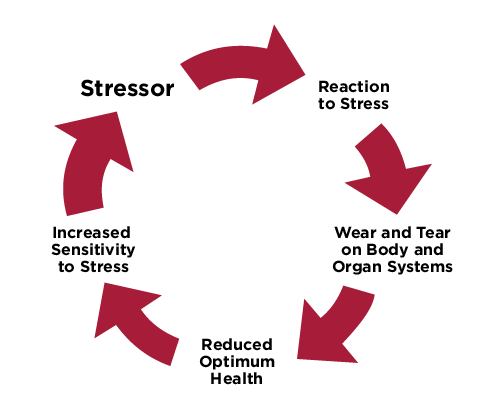
Figure 1 below illustrates the human stress response, which starts with our initial reactions and then leads to physical wear and tear on our bodies, including the muscles in our legs that support us and the sweat glands that attempt to cool us off in the heat, as well as numerous hormones and organs that aid in the attempt to manage a stressor. Stress can weaken our immune system, which makes it more likely that we will contract an illness or a cold. The danger of further unfavorable effects from new or repeated stressors increases if we are unable to return to normal functioning after a stress response. It is the obligation of program managers and supervisors to offer a framework that addresses the staff’s exposure to the stressful circumstances of disaster response situations as well as the staff’s ability to cope with those circumstances (Anderson & Stevenson, 2019).
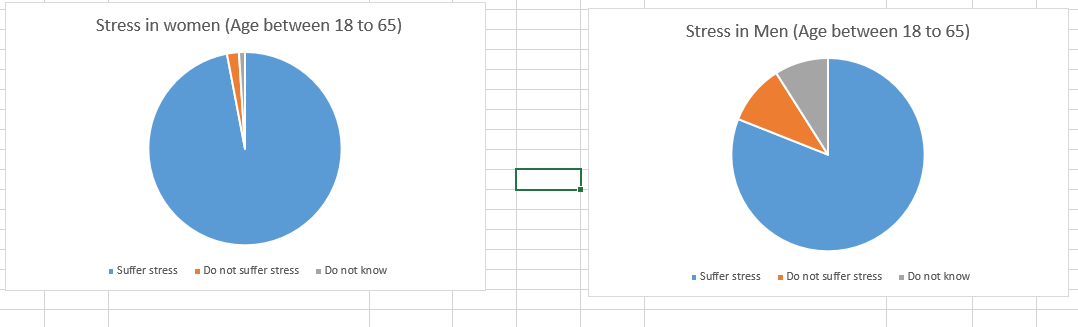
Leaders can develop processes that aid in the reduction of direct and secondary traumatic stress (stress experienced as a result of supporting survivors) and compassion fatigue. Additionally, leaders can create an organizational culture that encourages stress management and self-care for all staff members. As shown in Figure 2, the results of this study showed that stress levels were significantly greater for women than for men and for those between the ages of 18 and 65.
Justification of Uncertainties and/or Variability
Numerous biological, psychological, and environmental factors can impact the complex phenomenon of stress. As a result, there is often considerable variation in the findings of studies on stress and stress reduction methods. Individual variations in stress response, the intensity and duration of stress exposure, and the efficacy of stress management approaches for different individuals can all impact this variability. The subjective aspect of stress is a crucial factor to consider when researching stress. Individual differences can substantially impact the study’s findings because different people experience and display stress in various ways (Antoni & Dhabhar, 2019).
For instance, whereas stress may be primarily a physical reaction for some people, it may be primarily an emotional or cognitive one for others. Researchers must take these individual variances into account when designing and evaluating research projects, as they may influence how stress levels are assessed and interpreted. When doing a study on stress, it is essential to include the influence of environmental variables. Environmental variables, such as job demands, social support, and access to resources, can influence the amount of stress someone experiences and their ability to manage it effectively. When planning and analyzing research investigations, researchers must carefully consider these environmental elements, as they can introduce heterogeneity into the studies.
Alongside these issues, there are inherent uncertainties in studies on stress and stress management techniques. For instance, depending on the individual, the effectiveness of various stress management techniques may vary, or it may be uncertain how long-term stress affects a person’s health and well-being. Researchers should acknowledge and address these uncertainties when reporting their findings and provide suggestions for future studies to overcome these challenges.
Researchers can employ a range of study approaches and methods to overcome these uncertainties and unpredictability. For instance, mixed-methods approaches that integrate qualitative and quantitative data can be employed by academics to gain a more comprehensive understanding of stress and its effects on individuals (Alkhawaldeh, 2023). Furthermore, the effects of long-term stress on people’s health and well-being can be studied using longitudinal study techniques. Researchers may also utilize meta-analytic tools to synthesize the findings of multiple studies and identify patterns and trends in the study of stress and stress management techniques.
Depending on a person’s personality, coping skills, and prior experiences, their perception of stress can vary dramatically. According to a study, specific individuals may handle stress more effectively than others due to their genetic makeup, upbringing, and life experiences. People who have experienced significant adversity, for example, may be better equipped to manage stress because they have improved coping skills. On the other hand, those who experience minimal stress in their lives may be less able to handle it, as they lack the appropriate coping skills (Bowerman et al., 2023).
Additionally, a person’s personality can significantly impact how they handle stress. Some people may be more prone to anxiety and stress than others, depending on their personality traits, such as neuroticism. Similarly, individuals with high levels of conscientiousness and emotional stability may be less prone to stress and better equipped to cope with it when it arises.
Coping techniques may also affect effective stress management. To deal with stressful situations, various coping techniques can be employed by different individuals. Problem-focused coping strategies include seeking social support, making plans to handle stressful situations, or engaging in problem-solving activities. Others may rely on emotion-focused coping strategies, such as seeking diversions, engaging in activities that provide temporary stress relief, or using relaxation techniques (Islam, 2022).
Depending on a person’s personality and coping style, some coping mechanisms may be more or less successful. For instance, someone who regularly employs emotion-focused coping tactics may discover that these approaches are less effective at managing stress than someone who uses problem-focused coping strategies. Additionally, the type of stressor being encountered may affect how well coping systems function. For instance, problem-focused coping strategies may be more effective in reducing work-related stress, whereas emotion-focused strategies may be more effective at reducing interpersonal stress.
The many stress studies all depend greatly on the setting in which stress occurs. Stress levels can be affected by a wide range of contextual factors, including social support, professional obligations, financial security, and cultural background. People with strong social support networks, as opposed to individuals with inadequate social networks, may be better equipped to manage stress.
Similarly, individuals who work in demanding environments or have unpredictable financial situations may be more prone to feeling anxious than those who do not. The impact of environmental effects on stress may vary depending on a person’s unique characteristics and life experiences (Daniel, 2019). People from diverse cultural backgrounds, for instance, may experience stress in various ways due to cultural differences in how stress is perceived and managed.
People who have gone through trauma or unpleasant life events may also be more susceptible to stress under specific environmental conditions. To properly understand stress and its impacts on individuals and to solve the issues that lead to heterogeneity in stress research, researchers must use a variety of study methodologies and tactics. A few examples of ways to achieve this include using mixed-methods approaches to gather both qualitative and quantitative data, following changes in stress over time through longitudinal research, and accounting for individual variances and the effect of the environment when interpreting study findings.
Self-report techniques are frequently used in research studies to assess stress levels and coping strategies. However, it is essential to be aware of the limits and potential biases of these measurements. Self-report measures rely on participants’ honesty in describing their thoughts and feelings, which can be influenced by various social and cognitive factors. A common bias that might influence self-report assessments is social desirability bias (Gentile et al., 2022).
This bias occurs when people provide responses that they consider socially acceptable or desirable, rather than disclosing their actual experiences. For instance, a person could feel uncomfortable discussing high levels of stress due to the stigma around mental health issues. This may result in underreporting of stress levels, potentially leading to an inaccurate estimation of the person’s actual stress levels.
The desire to embellish events or gain attention is another possible bias that might impair self-report evaluations. People who are prone to dramatic or attention-seeking conduct may overreport their stress levels as a result of this bias. This may result in an inaccurate estimation of the individual’s stress levels and incorrect inferences about how stress affects their overall health and well-being.
Researchers may employ diverse strategies to ensure accuracy while seeking to counteract the biases inherent in self-report measures. For instance, researchers may employ standardized measures that have been approved for use with specific groups to ensure that questions are simple. Additionally, researchers may employ qualitative techniques or conduct follow-up interviews to gain a deeper understanding of a person’s experiences and perceptions of stress, providing a more comprehensive assessment of stress levels and coping mechanisms.
Another method for minimizing potential biases in self-report assessments is the use of multiple evaluation methodologies. This may incorporate physiological markers, such as heart rate variability or cortisol levels, to precisely quantify stress levels. Combining objective and self-report data enables a more detailed assessment of a person’s stress levels and a more precise interpretation of research findings. Insights into the complex nature of stress and its impact on individuals can be gained through various stress research studies (Alkhawaldeh, 2023).
By taking into account individual differences in stress susceptibility and coping strategies, researchers may develop tailored and effective stress management programs. For instance, if a study finds that people who use problem-focused coping mechanisms experience lower levels of stress than people who use emotion-focused coping mechanisms, this information can be used to develop interventions that emphasize both the ability to solve problems and the control of unpleasant emotions.
Furthermore, subgroups of persons who are more prone to stress-related health problems can be identified using the variance in participants’ stated levels of stress. For instance, assume research finds that younger people are more stressed than older people. Then, using this knowledge, stress management programs can be tailored to younger individuals who are more prone to experiencing stress-related health problems (Gustems-Carnicer et al., 2019).
Similar to this, self-report instruments may provide valuable information about a person’s subjective experience of stress that other objective assessments would be unable to detect. Self-report tools can also help identify those who require further assessment or support for problems connected to stress. To rule out any underlying medical or mental illnesses that may be exacerbating the person’s stress, a person who reports high levels of stress on a self-report measure, for example, may be requested to undergo further assessments by healthcare specialists. The self-report measure can be used to track a person’s progress and evaluate the efficacy of stress management treatments.
Discussion
The large frequency of stress observed in this study is consistent with findings from earlier studies, highlighting the importance of using efficient stress management techniques. A person’s response to stress is significantly influenced by how they handle difficult circumstances. As evidenced by the finding that active coping, planning, and positive reframing were the most frequently used coping mechanisms among participants, it is implied that people are aware of the need to take action to control their stress (Alkhawaldeh, 2023). By giving people more control over their circumstances, strategies such as problem-solving, setting goals, and focusing on the positive aspects of a situation can help individuals feel less helpless and worried.
An earlier study found a strong correlation between reduced stress levels and having a favourable opinion of one’s social network. The many forms that social support can take include emotional support, practical assistance, and social company. The presence of social support can mitigate the detrimental effects of stress by providing individuals who experience it with a sense of security and belonging.
It is also consistent with the results of earlier research, which indicate that self-blame, a coping mechanism, is a significant predictor of higher stress levels (Guszkowska & Dąbrowska-Zimakowska, 2022). As a coping mechanism, self-blame entails blaming the person for the stressor’s origin. Feelings of guilt, humiliation, and helplessness may emerge from this. Due to the lack of opportunity for personal growth or solutions, this coping strategy may be unproductive.
The results of this study’s investigation of the gender disparity in stress levels are consistent with previous research on the relationship between gender and stress. Women typically report higher levels of stress than men do, which may be due to social and cultural concerns, including discrimination, gender norms and expectations, and societal pressures. This result aligns with the conclusion of a previous study that older individuals experience less stress than younger ones. This is because older individuals have lived longer and are therefore better equipped to handle stress. It is essential to acknowledge that this study has several limitations, all of which must be considered when concluding the results.
All participants were from the same region, and the sample size was on the smaller side of the spectrum. This makes it challenging to generalize the study’s findings. Second, the study relied on self-reported data, which is subject to response biases, including social desirability bias and memory recall bias. The participants’ opinions of their health were also crucial to the study. Third, the research did not examine the likelihood of interactions between the various characteristics that might predict stress, such as coping strategies, social support, and demographics. Lastly, the long-term effects of stress on physical and mental health were not examined in this study.
Conclusion
This study clarified the effects of stress on people and investigated alternative stress management strategies. The findings indicate that stress is a substantial problem affecting a sizable percentage of people and can negatively influence their mental and physical health. The results of this study have various practical applications. First and foremost, raising public awareness of stress and its impact on individuals is crucial. This can help people identify their stress levels and find the right solutions.
Treatments should focus on educating patients about effective coping mechanisms, such as problem-solving strategies and social support networks, to help individuals manage stress more successfully. Third, treatments should aim to enhance social support networks and promote social engagement to reduce stress. Interventions for stress management should also be adapted to each person’s tastes and needs.
In general, the findings of this research help create efficient stress management therapies that can enhance people’s mental and physical well-being. We can help people lead healthier, happier lives by promoting effective stress management techniques. This study does have some drawbacks, though. The use of a self-report stress measure resulted in response biases or inaccurate reporting of stress levels.
Furthermore, the study was conducted in a specific demographic and setting, which may limit the generalizability of the results to other populations or settings. Future research could overcome these limitations by employing more objective stress measurements and analyzing stress management methods across a range of groups and circumstances. Future research may also investigate how stress management therapies produce their effects, which could lead to the development of more effective interventions.
Recommendations
Several suggestions may be made based on the study’s findings to address the impact of stress on individuals and promote effective stress management techniques. Priority one should be placed on educating the public about stress and its impacts on individuals. Since many people may not be aware of the adverse effects that stress has on their health, they may be less motivated to look into stress management strategies. People can detect when they are suffering stress and seek appropriate remedies if they are educated about the significance of stress management and its advantages.
Second, it is essential to acknowledge the importance of coping mechanisms in stress management strategies. People who reported employing problem-solving and seeking out social support as coping techniques had lower stress levels than those who reported using avoidance coping strategies. Social support should be a focus of therapies as a crucial component in stress management. As a result, interventions should strengthen social support systems and encourage social connections to lessen stress.
Fourthly, it is essential to recognize that stress is a complex, multifaceted phenomenon with diverse effects on individuals. Interventions must be customized to fit each person’s tastes and needs. This can entail providing a variety of stress-reduction techniques from which individuals can select according to their specific needs and preferences. Ultimately, further investigation is needed to identify effective stress reduction techniques and their long-term impact on individuals’ mental and physical well-being. This could entail analyzing the processes by which stress management therapies produce their effects as well as assessing the efficacy of stress management interventions in various populations and circumstances.
References
Aker, A., Serghides, L., Cotnam, J., Jackson, R., Robinson, M., Gauvin, H.,… & Benoit, A. C. (2023). The impact of a stress management intervention including cultural components on stress biomarker levels and mental health indicators among indigenous women. Journal of Behavioral Medicine, 1-15. Web.
Alkhawaldeh, J. F. M. (2023). Psychoeducational interventional programme during the COVID‐19 pandemic for nurses with severe occupational stress: A randomized controlled trial. International Journal of Nursing Practice, e13129. Web.
Anderson, R. E., & Stevenson, H. C. (2019). RECASTing racial stress and trauma: Theorizing the healing potential of racial socialization in families. American Psychologist, 74(1), 63. Web.
Antoni, M. H., & Dhabhar, F. S. (2019). The impact of psychosocial stress and stress management on immune responses in patients with cancer. Cancer, 125(9), 1417-1431. Web.
Bowerman, A. F., Byrt, C. S., Roy, S. J., Whitney, S. M., Mortimer, J. C., Ankeny, R. A.,… & Pogson, B. J. (2023). Potential abiotic stress targets for modern genetic manipulation. The Plant Cell, 35(1), 139-161. Web.
Daniel, C. O. (2019). Effects of job stress on employee’s performance. International Journal of Business, Management and Social Research, 6(2), 375-382. Web.
Gentile, C., Starnino, L., Dupuis, G., & D’Antono, B. (2022). Mindfulness-based stress reduction in older adults at risk for coronary Artery Disease: A pilot randomized trial. Clinical Gerontologist, 45(2), 272-286. Web.
Gustems-Carnicer, J., Calderón, C., & Calderón-Garrido, D. (2019). Stress, coping strategies and academic achievement in teacher education students. European Journal of Teacher Education, 42(3), 375-390. Web.
Guszkowska, M., & Dąbrowska-Zimakowska, A. (2022). Coping with stress during the second wave of the COVID-19 pandemic by Polish university students: Strategies, structure, and relation to psychological well-being. Psychology Research and Behavior Management, 339-352. Web.
Islam, A. N., Mäntymäki, M., Laato, S., & Turel, O. (2022). Adverse consequences of emotional support seeking through social network sites in coping with stress from a global pandemic. International Journal of Information Management, 62, 102431. Web.
Kar, N., Kar, B., & Kar, S. (2021). Stress and coping during COVID-19 pandemic: Result of an online survey. Psychiatry Research, 295. Web.
Liang, Q., Zhou, Z., Ye, G., & Shen, L. (2022). Unveiling the mechanism of construction workers’ unsafe behaviors from an occupational stress perspective: A qualitative and quantitative examination of a stress–cognition–safety model. Safety Science, 145. Web.
Liu, S., Lithopoulos, A., Zhang, C. Q., Garcia-Barrera, M. A., & Rhodes, R. E. (2021). Personality and perceived stress during COVID-19 pandemic: Testing the mediating role of perceived threat and efficacy. Personality and Individual Differences, 168, 110351. Web.
Meraz, R., Osteen, K., McGee, J. S., Noblitt, P., & Viejo, H. (2023). Applying stress and coping theory to understand diuretic adherence experiences in persons with heart failure. Western Journal of Nursing Research, 45(1), 67-77. Web.
Murphy, J., Farrell, K., Kealy, M. B., & Kristiniak, S. (2023). Mindfulness as a self-care strategy for healthcare professionals to reduce stress and implicit bias. Journal of Interprofessional Education & Practice. Web.
Nair, D. S. (2023). Positive Psychology: An Effective Strategy to Combat Stress. In Perspectives on Stress and Wellness Management in Times of Crisis (pp. 126-141). IGI Global. Web.
Pascoe, M. C., Hetrick, S. E., & Parker, A. G. (2020). The impact of stress on students in secondary school and higher education. International Journal of Adolescence and Youth, 25(1), 104-112. Web.
Popovic, D., Bjelobrk, M., Tesic, M., Seman, S., Jayasinghe, S., Hills, A. P.,… & Network, P. I. V. O. T. (2022). Defining the importance of stress reduction in managing cardiovascular disease-the role of exercise. Progress in Cardiovascular Diseases. Web.
Scheiner, C., Daunke, A., Seidel, A., Mittermeier, S., Romanos, M., Kölch, M., & Buerger, A. (2023). LessStress-how to reduce stress in school: Evaluation of a universal stress prevention in schools: study protocol of a cluster-randomised controlled trial. Trials, 24(1), 1-16. Web.
Varma, P., Junge, M., Meaklim, H., & Jackson, M. L. (2021). Younger people are more vulnerable to stress, anxiety and depression during COVID-19 pandemic: A global cross-sectional survey. Progress in Neuro-Psychopharmacology and Biological Psychiatry, 109. Web.